

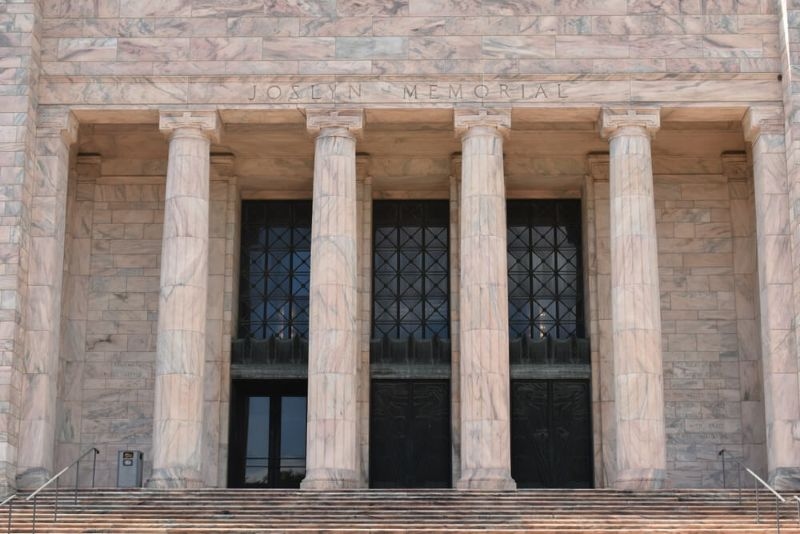
Omaha is the kind of city that surprises people. From the outside, it can look like a straightforward Midwestern stop. Then someone actually walks around and realizes, wait, this place has layers. Railroads, stockyards, immigration stories, civil rights chapters, old neighborhoods, and a riverfront that has seen a lot. Like, a lot.
The best part is that history in Omaha does not sit behind glass only. Some of it lives in brick streets, restored buildings, old homes, and those “how is this still standing” corners that make people slow down and look again.
This guide helps visitors plan a day of historic exploring without turning it into a dusty lecture. It keeps it simple, practical, and honestly pretty fun.
If someone wants a good first day exploring Omaha historical sites, the easiest move is to pick one core area and build out from there. Downtown is often the most convenient base because it connects to walkable neighborhoods, museums, and the riverfront.
A quick planning question helps: does the group want mostly indoor history (museums, exhibits, guided tours) or mostly outdoor history (walking routes, neighborhoods, architecture)? If the weather is unpredictable, mixing both is the safest choice.
Another small tip that sounds obvious but helps a lot: choose three stops, not ten. History is more enjoyable when people have time to actually read, look, and talk about what they are seeing.
The Old Market area is one of the easiest places to feel the city’s past without doing anything complicated. Brick streets, older storefronts, and buildings that clearly predate modern glass towers create a sense of time. People can walk, grab coffee, and still learn something just by paying attention.
This is also a great spot to start a list of historic places in Omaha because it offers a high “history per step” ratio. Even if someone only has a couple hours, a walk through this area can make the trip feel worth it.
To make it more engaging, travelers can try a simple activity: pick one building that looks the oldest and guess what it used to be. Then check a plaque or local sign. Most people are wrong, and that’s part of the fun.
Some visitors love wandering, but others want a clear timeline. Museums help with that. A strong museum visit can connect the dots between the river, railroads, migration, and the city’s growth.
Many Omaha museum experiences highlight big themes: transportation, industry, community change, and regional identity. These are not just “look at artifacts” places. They often tell stories through photos, restored spaces, and exhibits that explain why the city grew the way it did.
This is where Omaha history attractions become useful. They give visitors context. After a museum visit, walking through historic neighborhoods starts to feel different. Streets feel less random. Buildings feel less generic.
A helpful approach is to plan one museum visit early in the day, then use the rest of the time for exploring on foot. That balance keeps history from feeling heavy.
Not all history comes with admission tickets. Some of the most memorable stops are historic homes, restored buildings, and architecture that still carries a personality.
People who enjoy design details will notice things fast: ornate trim, stonework, old staircases, and layouts that scream “a different era.” These places often make visitors say, “They do not build like this anymore.” And they are not wrong.
Architecture-based exploring also helps people notice Omaha landmarks in a quieter way. Not every landmark is a famous monument. Sometimes it’s a building that held a key business, a church with deep neighborhood roots, or an old structure that shaped local life for decades.
If someone travels with kids, this is a sneaky win. Kids might not love long museum explanations, but they usually enjoy “old house” stories, unusual rooms, and imagining what life looked like back then.
Omaha’s growth is tied to movement. People, goods, trains, river routes, and new arrivals. That’s why the riverfront and railroad-related history show up again and again in the city’s story.
Visitors can plan a simple loop: start near downtown, walk toward the river, and keep an eye out for markers and historic references. Even a short stroll can reveal how geography shaped development.
For anyone who likes photography, this is a great spot to slow down. Water, bridges, older industrial shapes, and skyline views make the city feel cinematic. Not in a flashy way. In a grounded way.
This is also a great moment to ask a question that deepens the visit: what made this city a place people wanted to stop, settle, and build? Once someone starts asking that, the whole trip feels more connected.
Omaha is not one single historic narrative. It’s many. Different communities, different decades, different struggles and celebrations.
A good history day should include at least one neighborhood visit where the goal is not speed. It’s observation. Streets, local businesses, community centers, and places that reflect long-term cultural presence.
This is where Omaha heritage sites matter. Heritage is not just old buildings. It’s community memory. It’s where traditions formed, where people built lives, where change happened, and where identity stayed strong even when the city shifted around it.
A simple way to do this respectfully is to visit with curiosity, spend money locally if possible, and take time to read signs or displays instead of rushing through like a checklist.
A half-day plan works best when it stays tight:
A full-day plan can add one more layer:
If the group is visiting for a weekend, splitting history into two short sessions often works better than one giant day. Two hours on Saturday and two on Sunday feels easier and still delivers a solid experience.
A few practical habits make the day smoother:
And here’s a weirdly effective trick: let one person be the “story finder.” They read the plaque and summarize it in one sentence. Then someone else reacts. That back-and-forth makes history feel social, not silent.
A good day exploring Omaha historical sites usually works best with one central neighborhood, one museum for context, and one scenic walk to connect everything. Visitors who want more depth can add architecture and cultural neighborhood stops.
To make the planning easy, it helps to treat historic places in Omaha like a set of themes instead of a long list. Rail and river history, neighborhood stories, and preserved buildings each offer a different angle. Many Omaha landmarks are more meaningful when people know the backstory, so a museum visit early in the day can sharpen the whole experience. The strongest Omaha history attractions tend to be the ones that connect personal stories to bigger events, not just dates and names. And for travelers who enjoy culture and community history, Omaha heritage sites offer the kind of moments that stay memorable long after the trip ends.
Downtown and the Old Market area are strong starting points because they are walkable and close to museums, older architecture, and riverfront routes.
Yes. Many sites work well for families, especially museum exhibits with visual displays and walking areas where kids can move around and stay engaged.
A budget-friendly plan can focus on walking areas like Old Market, visiting free public spaces, exploring neighborhood heritage areas, and choosing one paid museum stop.
This content was created by AI